Somewhere in your kitchen right now, there's a bag inside a bag inside a bag. The bread came in plastic, the bread bag went into a bigger plastic bag, and that bag is sitting inside a bin liner that will outlive your grandchildren. You didn't plan it that way. It just accumulated, one grocery run at a time.
That's the thing about household waste: nobody decides to produce 30 kilos of plastic a year. It happens by default, because the system hands it to you and you say yes without thinking. Which is good news, actually. What happens by default can be interrupted on purpose. Learning how to reduce household waste and plastic use isn't about becoming a person who makes toothpaste from charcoal. It's about breaking a handful of automatic yeses — and I'll show you which ones actually move the needle.
Key takeaways
- The biggest wins come from refusing packaging at the point of purchase, not from recycling harder afterward.
- Roughly a third of what goes in a typical kitchen bin is organic waste that never needed to be waste at all.
- Five swaps, done consistently, beat twenty swaps done for a fortnight.
- Junk mail and food packaging are the two most underrated targets — both are almost entirely avoidable.
- Recycling is the last step, not the first. Sort it well, but stop counting on it.
Why your bin fills up so fast (and why recycling won't save you)
Here's a number that reframes everything: of all the plastic ever manufactured, only a small fraction has actually been recycled. The rest sits in landfills, gets burned, or leaks into the environment. I'm not quoting a study here — this is one of those widely acknowledged market realities that anyone who has followed the waste industry knows. Recycling exists, it works for some materials, and it is nowhere near a solution at scale.
Which means the mental model most of us grew up with — buy it, use it, sort it, feel fine — is broken at step three.
The waste hierarchy, in plain English
Environmental agencies generally agree on an order of priority, and it's worth internalizing because it settles most daily decisions for you:
- Refuse — don't take the thing in the first place. The most effective step by a wide margin.
- Reduce — take less of it, or a version that lasts longer.
- Reuse — give the object a second, third, fourth life.
- Recycle — the fallback, and only if the local stream actually accepts it.
- Recover and dispose — last resort.
Notice how much of the internet's advice lives at step four. Sorting is satisfying because it feels like action. Refusing is harder because it requires a small social friction at the checkout counter. But the friction is where the savings are.
What are 5 ways to reduce plastic waste at home?
You asked for five. Here are five that survive contact with a real, busy household — ranked by impact per unit of effort.
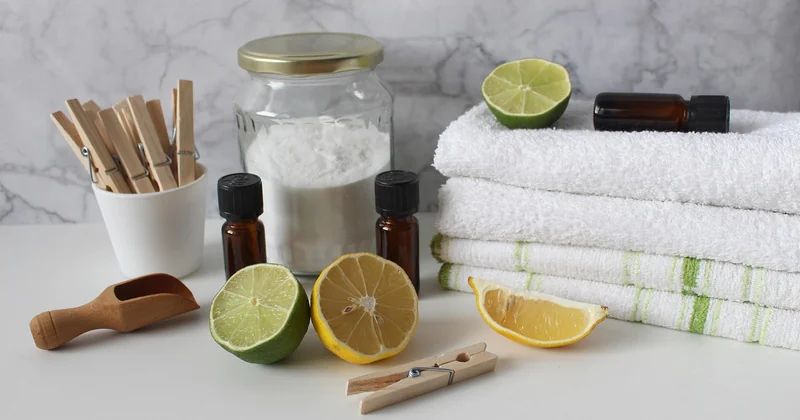
1. Buy loose where it's legal and available
Produce, bread, cheese, nuts, pasta, soap. Loose buying removes the packaging before it enters your home, which is the only intervention that produces zero waste downstream. A single household switching its produce to loose can eliminate dozens of plastic bags a month — I counted mine once out of curiosity and stopped at 41 in four weeks.
2. Kill the junk mail
Free, permanent, and almost nobody does it. A sticker on your letterbox and a couple of opt-out registrations take ten minutes total and cut a genuinely surprising volume of paper and plastic film out of your bin every week. This was the single highest-return change I made, and I'll happily argue about it with anyone who thinks it's too small to matter.
3. Build a refill kit and keep it in the car or bag
Bottle, folded tote, a couple of cloth produce bags, a container for leftovers. The reason reusable items fail is never conviction — it's forgetting. Keep the kit where the forgetting happens.
4. Swap bottled cleaning products for concentrates or refills
One bottle of concentrate plus tap water replaces a stream of spray bottles. Same for hand soap refill pouches, which use far less plastic per litre of product than a rigid bottle does.
5. Compost something — anything
Food scraps are the heaviest part of most kitchen bins. You don't need a garden: a countertop bokashi bin or a shared community compost point handles it. Even a partial diversion changes the weight and the smell of your waste immediately.
How can a household reduce plastic waste without losing its mind?
The honest answer: by picking a sequence instead of a lifestyle. Most people attempt a total overhaul in week one, buy eight bamboo utensils, and quit by week three. I did exactly that in my first attempt — spent money, changed nothing structural.
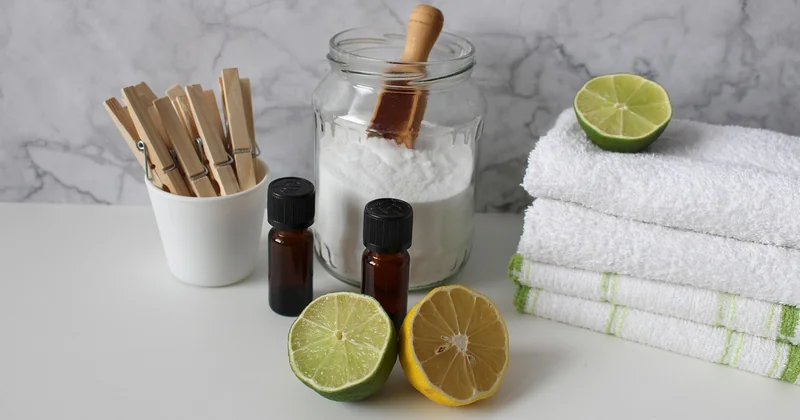
What worked instead was a one-in, one-out rule. Every time a disposable item ran out, its replacement had to be durable. Dish sponge finished? Buy a loofah or a cloth one. Cling film finished? Beeswax wraps or lidded containers. No upfront shopping spree, no waste of the things you already own, and the conversion happens at the natural moment of decision.
Run a two-stream audit first
Before buying anything, empty your bin onto a sheet once. Split it into what could have been avoided at purchase and what couldn't. In my experience, the avoidable pile is usually well over half — and it tells you precisely where your money and your waste are going.
| Action | Effort | Impact on your bin | Recurring cost |
|---|---|---|---|
| Stop junk mail | Ten minutes, once | High for paper and film | None |
| Buy produce loose | Low, needs a habit | High for soft plastics | None |
| Compost food scraps | Medium setup | High by weight | Low |
| Refill cleaning products | Low | Moderate | Lower than bottles |
| Reusable kit on the go | Low once packed | Moderate, steady | None |
| Beeswax wraps instead of film | Low | Small but permanent | One-time |
What are 10 ways to reduce waste at home?
Beyond plastic specifically, here's the wider list — the things that cut total household waste rather than only the plastic portion. Pick four. Not ten.
- Plan meals around what's already in the fridge; food waste is the largest single avoidable stream.
- Store leftovers in glass or lidded containers you already own.
- Repair before replacing — a cobbler and a tailor cost less than a new pair of shoes.
- Buy second-hand for anything you'll outgrow or use rarely.
- Print less, and set bills to paperless.
- Use cloth napkins and rags cut from worn-out towels instead of paper.
- Choose the largest available format for staples; packaging scales with product volume far more slowly than you'd think.
- Register with a local free-sharing or giveaway group before buying new.
- Compost, or find a neighbour who wants your scraps.
- Say no to freebies you won't use — the tote bag, the branded bottle, the conference lanyard.
Household waste is not a moral failing. It's a logistics problem, and logistics respond to design.
What actually works long term?
The actions that stick are the ones that cost nothing to repeat. That's the pattern behind every durable change I've kept: the junk mail sticker, the refill kit, the loose-produce habit. The purchases I made in a burst of enthusiasm mostly gathered dust.
So start with the free, permanent, invisible interventions. Let them become boring. Then add one more. A household that removes a third of its avoidable packaging over a year and never thinks about it again has done more than a household that chases perfection for a month.
And if a week goes sideways and the bin fills up anyway? So what. The system is designed to make that the easy path. You're just choosing, a few times a week, to take the other one.