A drill rig parked in a suburban backyard for two days. A trench across the lawn. A compressor in the basement that hums like a refrigerator, not like an air conditioner. That's what geothermal heating and cooling looks like before it looks like nothing at all — and that second part, the "nothing at all," is what sells most people who've lived with it.
I've written about HVAC long enough to have sat through my share of contractor pitches, and I'll be honest: the first time a neighbor explained his geothermal system to me, I nodded politely and privately thought he'd been talked into an expensive hobby. Two winters later, his propane tank sits untouched and I'm the one asking questions. This article explains how geothermal heating and cooling actually works, what it really costs, and where it genuinely falls short — because it does fall short, and the brochures leave that part out.
Key Takeaways
- Geothermal systems don't create heat — they move it, using the ground as a year-round thermal reservoir that stays around 50 °F (10 °C) at depth in most temperate climates.
- Installation is expensive: expect a large upfront cost, though operating costs typically run far below those of propane, oil, or resistance heating.
- The savings only materialize over the long run — think in decades, not seasons.
- Land area, drilling permits, and the availability of a certified installer are the three constraints people underestimate most.
- Cooling is where geothermal quietly shines, especially in humid climates where a conventional unit has to work hard to shed heat.
How geothermal heating and cooling systems work, without the marketing gloss
Six feet down, the soil temperature barely moves. Summer bakes the surface, winter freezes it solid, and the ground a few meters below just sits there, holding steady around 50 to 55 °F depending on where you live. That stability is the whole trick — and it's the part people misunderstand.
The ground loop: a heat exchanger you bury
A geothermal system consists of two halves. Underground, a loop of polyethylene pipe circulates a water-and-antifreeze mixture through the soil. Above ground, a ground-source heat pump moves heat between that fluid and your house. In winter, the fluid absorbs heat from the ground (yes, from 50 °F soil — that's plenty of thermal energy to concentrate) and the heat pump raises it to a temperature your ducts can use. In summer, the process reverses: your house's excess heat gets dumped into the ground instead of into the outdoor air.
That reversal is the detail that matters for cooling. A conventional air conditioner expends real effort rejecting heat into 95 °F summer air. A geothermal system rejects it into 55 °F soil. The compressor works less. The difference in comfort and electricity draw is measurable, not theoretical.
Three loop configurations, three different site requirements
There's no single "geothermal" installation. What you get depends on your land:
- Horizontal loops — trenches dug a few feet deep over a large area. Cheapest, but hungry for yard space.
- Vertical loops — boreholes drilled 100 to 400 feet down. Expensive per foot, but compact enough for a small city lot.
- Pond or lake loops — coiled pipe sunk in a body of water. Efficient where water exists, and useless where it doesn't.
- A slinky-style configuration that packs more pipe into shorter trenches
Which one you need determines whether geothermal is even feasible on your property. A vertical system can fit on a quarter acre. A horizontal one might demand half an acre or more of diggable ground.
What's the difference between a heat pump and geothermal?
This question trips up almost everyone, and the confusion is understandable — the terminology overlaps. The short answer: a heat pump is the machine. Geothermal is one way of feeding it.
Air-source versus ground-source
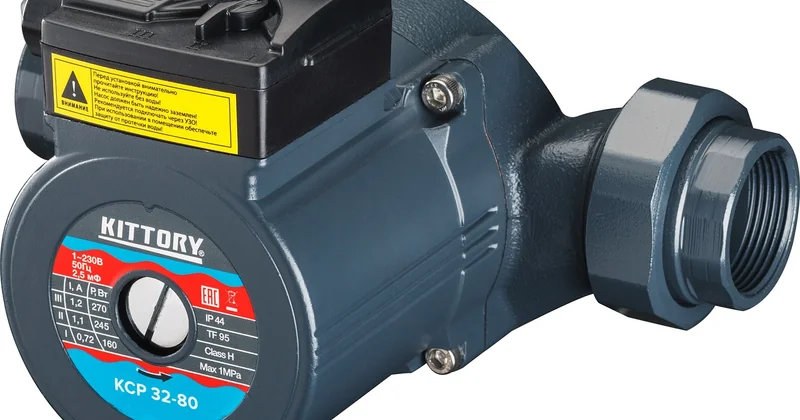
A conventional air-source heat pump pulls heat from outside air in winter and dumps heat into outside air in summer. It's the box humming beside your house. A geothermal (ground-source) heat pump does the same job but exchanges heat with the ground through a buried loop. Same refrigeration cycle, radically different source and sink temperatures.
The consequence is an efficiency gap that shows up on your bill. Efficiency here is measured by COP — the coefficient of performance, or how many units of heat you get per unit of electricity consumed. An air-source heat pump might run around 2 to 3 in moderate weather and drop noticeably in a hard cold snap. A ground-source unit typically sits above 3.5 and barely flinches when the air outside hits zero, because the ground hasn't changed. That stability is worth real money over twenty years, which is roughly how long you need to think about this decision.
| Feature | Air-source heat pump | Geothermal (ground-source) |
|---|---|---|
| Upfront cost | Moderate | High (loop + drilling) |
| Operating efficiency | Good, drops in extreme cold | High and stable year-round |
| Outdoor footprint | Requires an outdoor unit | Minimal once installed |
| Lifespan of ground loop | n/a | Decades — often longer than the house's furnace |
| Retrofit complexity | Simple swap | Major earthworks |
Honestly, if you're replacing a dying system next month and your budget is tight, an air-source heat pump is the pragmatic choice. Geothermal wins the long game, not the short one.
Is geothermal heating and cooling worth it?
Depends entirely on how long you plan to stay. If you're moving in three years, no — the payback period stretches well beyond that, and you'd be gifting the savings to whoever buys your house. If you're settled and heating with propane, oil, or electric resistance, the math changes sharply.
The payback reality, in rough numbers
I won't quote a figure and pin it to a report I can't verify — nobody should. What I can tell you from watching installs happen: the gap between a geothermal quote and a conventional system quote is often large, and the annual heating savings are typically substantial, with payback commonly landing somewhere in the 8-to-15-year range depending on what fuel you're replacing and local electricity prices. Replace electric-resistance baseboards and you'll see the fastest return. Replace cheap natural gas and you might never break even.
Federal incentives help. In the United States, there's been a meaningful tax credit for qualifying geothermal installations in recent years — worth confirming the current rules with your installer, because they shift with legislation. State and utility rebates stack on top in many regions.
The part nobody puts on a spreadsheet
Comfort. My neighbor's house doesn't blast warm air and then go quiet; it just sort of sits at temperature. No outdoor unit rattling through the night. No visible equipment in the yard. That quiet consistency has a value you can't itemize, and it's the reason people who install geothermal rarely switch back.
What are 5 disadvantages of geothermal?
Plenty, and I'd rather you hear them from me than discover them mid-project.
- High upfront cost. The drilling or trenching alone can rival the cost of the entire heat pump. This is the number one reason people walk away.
- Yard disruption. Horizontal loops mean a torn-up lawn for weeks. Vertical loops mean a drill rig parked in your driveway. Plan around it.
- Site requirements. Not every lot supports a loop. Steep rocky ground, dense urban lots without drilling access, or a property without enough land for a horizontal field can rule geothermal out entirely.
- Permits and drilling risk. Some jurisdictions make borehole permitting slow or costly, and drilling can hit surprises — groundwater, bedrock, an old foundation nobody documented.
- Dependence on a good installer. A badly sized loop or a sloppy connection will undercut the system's performance for years, and fixing it after the fact is painful. Choose the contractor carefully; this is not a job for the lowest bid.
None of these are dealbreakers. All of them are things you should know before you sign.
How much does geothermal cooling cost?
The honest answer: cooling is rarely priced separately, because in a geothermal setup it's the same equipment running in reverse. You pay for the loop, the heat pump, and the installation once — then cooling comes almost as a byproduct.
What it costs to run
Running costs hinge on your electricity rate and the unit's efficiency. Because the system dumps heat into cool soil rather than hot air, the compressor works less in summer, and many owners report summer bills well below what they paid with a conventional air conditioner — often a meaningful fraction lower, particularly in humid climates where a standard unit strains hardest. Add a desuperheater (a small add-on that preheats domestic hot water from the system's waste heat) and you claw back more.
What it costs to install
Installation is where the sticker shock lives. The loop is priced per foot of drilling or trenching, so vertical systems on tight lots cost more than wide horizontal ones. Expect quotes that vary dramatically by region and site conditions — get three, and ask each contractor how they sized the loop. If they can't explain their heat-load calculation, that's your answer.
The verdict I'd actually give a friend
Geothermal heating and cooling is the rare technology that's both genuinely impressive and genuinely inconvenient. It's efficient in a way air-source systems can't match, quiet in a way you notice only after you've lived with it, and expensive in a way that makes the whole decision hinge on a single question: are you staying?
If the answer is yes, and your land cooperates, and you can find an installer who does this work well, it's one of the better things you can do for a house. If the answer is no, wait. The ground will still be 55 °F when you're ready.