You're standing in a supermarket aisle, holding two products, and trying to work out which one is the better choice for the planet. The packaging on both screams "eco-friendly." Neither tells you that the beef in your basket likely cost the atmosphere far more than the lentils sitting three shelves down. That gap between what we're told and what actually matters is where most sustainable food advice falls apart.
I've been writing about sustainable food choices and low carbon diets for years, and the single biggest mistake I see readers make is optimizing the wrong variable. They obsess over food miles and plastic wrap while the protein on the plate quietly does ten times the damage. So let me walk you through what the numbers actually say, where the popular advice is wrong, and how to build a lower-carbon way of eating you can genuinely stick to.
Key takeaways
- The type of food you eat matters far more than how far it traveled to reach you.
- Beef and lamb sit at the top of the emissions table by a wide margin; legumes, grains and vegetables sit at the bottom.
- "Low carbon" and "low carb" are two completely different things, and one of them can be terrible for the climate.
- Cheap, low-emission protein exists — it just isn't usually the one in the shiny package.
- You don't need a perfect diet. You need to move your heaviest meals in the right direction.
What are low carbon foods, and why they decide everything
Low carbon foods are those that generate relatively little greenhouse gas per kilogram produced — think lentils, oats, potatoes, most vegetables, and plant proteins. High carbon foods are the opposite: beef, lamb, and to a lesser extent dairy and cheese. The gap isn't small. It's the difference between a rounding error and the main event.
Here's a rough order of magnitude that holds up across most production systems. Producing a kilo of beef emits on the order of tens of kilograms of CO₂ equivalent. A kilo of lentils emits under one. That means swapping one beef meal for a bean meal can cut the footprint of that meal by more than 90%. You could drive to the store, drive home, and still come out ahead on the plant-based day.
Why the animal products dominate
Two biological facts do most of the work. Ruminants like cattle and sheep ferment food in their stomachs and release methane, a gas with far more warming power than CO₂ over the short term. And raising animals takes land — often land that was forest before it became pasture or feed cropland. Clearing that land releases stored carbon. Fertilizer adds nitrous oxide on top. None of this is a moral failing of farmers; it's just physics and biology being stubborn.
The practical consequence: if you change nothing else about your diet except how often you eat beef and lamb, you'll have addressed the largest single lever available to you. That's the whole game in one sentence.
What are sustainable food choices, beyond the buzzwords
Sustainability in food is usually sold as a shopping-list aesthetic — reusable bags, organic labels, plastic-free packaging. Useful, but secondary. When you weigh the actual emissions, a handful of decisions carry almost all the weight, and most of them happen before anything reaches the shelf.
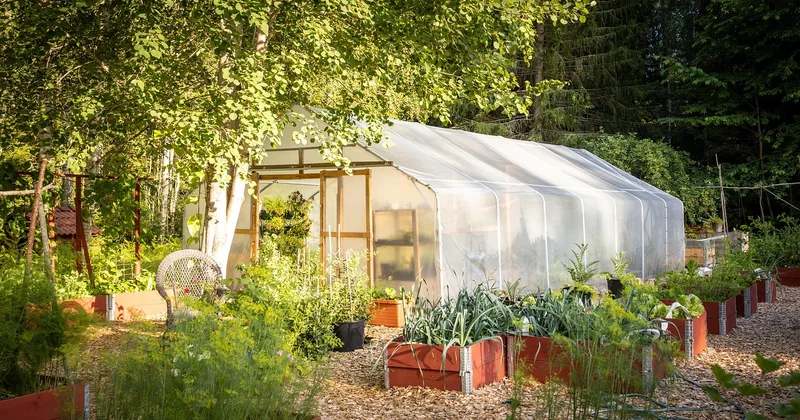
Sustainable food choices are the ones that reduce pressure on land, water and the climate at the same time: more plants, less waste, and less of the resource-intensive animal products at the center of the plate. Here's how I'd rank the levers by impact, based on what I've seen work for real households.
- Eat less beef and lamb, and eat it less often — this dwarfs every other choice.
- Build meals around legumes, grains and vegetables as the default, not the side.
- Cut food waste, which wastes the emissions of everything you threw away.
- Choose dairy in moderation — cheese in particular is emissions-heavy per kilo.
- Buy seasonal and local when it's easy, but don't make it your main strategy.
The "eat local" trap
Transport typically accounts for a small slice of a food's total footprint — often well under a tenth for most products. So a locally raised steak still carries most of the emissions of a steak flown in from the other side of the world. Local sourcing helps at the margins, supports regional farmers, and keeps money in your community, all of which I'm in favor of. But if your only climate action is buying local beef, you've optimized the smallest number on the spreadsheet.
Food waste deserves its own paragraph. When you bin half a loaf of bread, you don't just waste the bread — you waste every emission that went into growing, processing and shipping it. Household waste is one of the quietest, most fixable sources of avoidable emissions in the average kitchen.
Can a low carb diet be sustainable?
This is where two ideas collide, and it's worth being blunt. A low carb diet in the popular sense (keto, high-protein, meat-forward) can absolutely be followed in a way that's sustainable for the climate — but the standard version usually isn't. The problem is what fills the gap when you cut carbohydrates. If bread, rice and pasta leave the plate and steak, cheese and bacon arrive, your carbon footprint tends to go up, not down.

The fix is to separate "fewer refined carbs" from "more animal protein." You can lower your carbohydrate intake while keeping emissions low by leaning on eggs, tofu, tempeh, legumes, nuts and seeds, and by treating meat as a flavor rather than the main event. That version works. It's also cheaper.
Where the low-carb crowd gets it right
Cutting heavily processed foods — sugary snacks, industrial baked goods — reduces both carbs and emissions, since ultra-processed products often bundle palm oil, packaging and long supply chains. So there's real overlap. The mistake is assuming that any low-carb swap is automatically greener. It isn't. A cheese-and-cured-meat plate can be low carb and high carbon in the same bite.
My honest read: if climate is your priority, a plant-forward approach beats a meat-heavy low-carb approach every time. If you have medical reasons for low carb, you can still eat sustainably — just choose your proteins deliberately.
Which diet has the lowest carbon footprint?
Of the mainstream patterns, a vegan diet has the lowest carbon footprint, followed closely by vegetarian diets, then pescatarian, then everything else. The ranking is fairly stable across studies and production systems: the more plant-based the pattern, the lower the emissions, with the biggest drop coming from cutting ruminant meat.

But — and this matters for anyone who's tried and bounced off a strict vegan plan — "lowest" isn't the same as "best for you." A diet you abandon after three weeks has a carbon footprint of zero commitment. I've watched people go all-in on a perfect plant-based month, then fall back to daily burgers. The net result was worse than a modest, permanent reduction they could have kept.
A practical comparison
Here's how the patterns stack up on the variables that actually change your footprint. Figures are rough orders of magnitude, not precise per-person quotas — your starting point and portion sizes matter enormously.
| Diet pattern | Relative footprint | Where emissions come from | Ease of sticking to it |
|---|---|---|---|
| Vegan | Lowest | Mostly grains, legumes, produce processing | Moderate — needs planning |
| Vegetarian | Very low | Dairy and eggs add some burden | High |
| Pescatarian | Low | Fish, some dairy; transport for seafood | High |
| Meat-reduced (flexitarian) | Moderate, and highly variable | Depends entirely on how much beef/lamb | Very high |
| Standard meat-heavy / low-carb | Highest | Beef, lamb, cheese, processed meat | High, but costly to climate |
Notice the flexitarian row: it has the widest range because it's the most flexible. A flexitarian who eats chicken twice a week lands far below a flexitarian who still eats beef most days. The label tells you less than the actual contents of the plate.
How to build a low carbon diet that lasts
Forget the idea that sustainability requires sacrifice at every meal. The households I've seen succeed did one thing: they changed their defaults, not their willpower. When the easy option is also the low-carbon option, you stop having to decide.
Start with the meal you cook most often. If it's a beef-based dinner, swap the protein once a week, then twice. Keep the recipe, keep the spices, change one ingredient. That's it. No new cookbook, no dramatic reinvention.
Questions readers keep asking
Is a carbon footprint calculator worth using?
Yes, with caveats. A food carbon footprint calculator is a useful reality check because it replaces vague guilt with a rough number, and most people are genuinely surprised that beef outweighs their plastic wrap worries. Just don't treat the output as gospel — calculators vary in scope and assumptions. Use it to spot your biggest category, not to chase decimal points.
What are the top carbon-heavy foods I should watch?
Ruminant meat leads: beef, then lamb. Cheese and other dairy products follow, with cheese unusually high per kilo because it takes a lot of milk to make a little cheese. Farmed shrimp and some imported produce can also carry a notable burden depending on how they're raised and moved. The pattern is consistent: animal products at the top, plants at the bottom.
Does eating sustainably cost more?
Not necessarily — and this is the part the "eco" marketing hides. Legumes, oats, potatoes and seasonal vegetables are among the cheapest foods per calorie and per gram of protein in most countries. A bean-based meal typically costs less than a beef-based one. You can spend more if you chase premium plant-based substitutes, but the humble stuff is where the savings live. In my experience, a plant-forward week lowered my grocery bill before I ever thought about the climate.
The one change that matters most
You don't need to become a statistician or a vegan overnight. If you take one thing from all this, take the protein question: what's at the center of your plate, and how often is it beef or lamb? That single decision carries more weight than your shopping bags, your food miles and your organic labels combined.
Climate-conscious eating isn't a purity test passed or failed at the checkout. It's a slow tilt in one direction, meal after meal, in a way that survives a busy Tuesday when you can't be bothered to cook anything clever. The people who change their footprint for good aren't the ones with the strictest rules. They're the ones who made the low-carbon choice the boring, obvious, everyday one — and then stopped thinking about it. That's a diet worth having.